Invertebrates
Collection of Invertebrates, not including terrestrial Arthropods which are in the Insects Collection.
Mollusk Collection
At present the Division of Invertebrates, which began with a collection of 16,000 lots, manages ca. 340,000 cataloged mollusk lots, with approximately 4.5 million specimens. Our molluscan collection now ranks among the top three or four in North America.
Systematic Coverage
Specimens of 62% of the currently recognized molluscan families are present in the collection, with 80% of the shelled molluscan families represented. Recent concentration on marine "micro-mollusks" and deep-sea taxa has further increased our holdings. Approximately 55% of our collection is comprised of terrestrial, 30% of marine and 15% of freshwater taxa. In total, ap
Holdings of terrestrial gastropods (land snails and slugs) contain approximately 2.5 million specimens in about 165,000 lots and represent roughly 20,000 taxa. This collection is one of the most comprehensive in the world and an internationally recognized resource with one of the most diverse holdings of modern field collections of land snails. The large holdings of eastern U.S. species, in particular of the Leslie Hubricht collection, comprise a unique resource for ecological, environmental, systematic and other studies.
The freshwater mollusks are estimated to number 45,000 lots (about two-thirds gastropods and one-third bivalves). The freshwater snails of eastern North America are well represented in the collection, providing an excellent resource for systematic and ecological studies. Other geographic areas covered by these collections are Southeast Asia and the Philippines, South America and Europe. The bulk of the freshwater bivalves are composed of an outstanding unionid collection assembled by Dr. Fritz Haas (curator 1938-1958). The majority of endangered species in the U.S. are unionids and species of this group are often sensitive environmental indicators. The area of geographic strength in our freshwater bivalves is North America.
Most historical marine material, approximately 90,000 lots, was received as part of formed collections or as voucher material. There is a good synoptic representation of the extant marine mollusks and a growing, taxonomically diverse collection of small-shelled "micro" mollusks. Geographic coverage is world-wide with strengths in Florida and the Caribbean. The collection contains considerable historically important marine material acquired in several major private collections (48 KB) and material that is resulting from field work by curators.
Geographic Coverage
The marine mollusk collection has a worldwide coverage with particular strengths in Florida and the Caribbean, as well as in deep-sea and hot-vent environments. Within the terrestrial and freshwater molluscan collections there is strong representation from the Nearctic, Neotropical, Pacific Island, Australian and European regions. Through the field collections of former Curator A. Solem, The Field Museum's holdings of land snails from the Pacific Islands and especially from Australia are among the most comprehensive in the world. Acquisition of several important collections, in particular the Leslie Hubricht Collection in 1990, made this among the world's premier collections of terrestrial mollusks.
Among the unique components of the Invertebrate Collection are specimens collected by submersibles at sea floor hydrothermal vents in the east Pacific Ocean. Specimens from vents on the Juan de Fuca Ridge, Gorda Ridge, and from the East Pacific Rise, are represented.
Fluid-Preserved Specimens
Our growing collection of alcohol-preserved specimens currently comprises approximately 30,700 series and 5,400 taxa. There are strong holdings of terrestrial snails from North America, Australia, Pacific Islands and Europe, as well as marine mollusks from the tropical West Atlantic Ocean and from deep-sea habitats in the Northeast Pacific Ocean.
Type Collection
The molluscan type collection contains representatives of several thousand nominal taxa. Type designations by just three Field Museum-associated authors, Haas, Hubricht and Solem, account for over 500 species. Additional type material of species described as early as 1860 entered the collection through the accessions of various formed collections.
Auxiliary Collections
The Field Museum’s Division of Invertebrates houses several auxiliary collections: book and serial libraries; a reprint collection of invertebrate scientific literature (ca. 10,000 titles); a collection of malacological newsletters; gastropod radulae mounted on Scanning Electron Microscope (SEM) stubs; and more than 6,500 SEM photographs and negatives of molluscan feeding apparatuses and shell microstructures. Frozen specimens and other material especially preserved for molecular studies and fine-anatomical research are more recent additions to our auxiliary collections.
Non-Molluscan Invertebrates
The Division of Invertebrates currently holds approximately 14,500 lots (= specimen series) of non-mollusk invertebrates. Crustaceans comprise over 40% of this material. Although the core of these holdings are collections acquired by The Field Museum from the 1893 Columbian Exposition, additions have come via collecting efforts with primary focus on other groups and the deposit of voucher material. In recent years, deep-sea invertebrates collected by submersible became a focus of our non-mollusk holdings. Type specimens constitute 138 lots, representing 57 nominal species in five phyla.
Collection Database
Support from the U.S. National Science Foundation allowed for massive data-capture efforts, beginning with the computerization of Leslie Hubricht's 43,000-series collection of North American land snails. A second NSF-supported project, retrospective data capture of 100,000 series of land snail holdings, is now complete. Each of the more than 143,000 series was rehoused and relabeled in archival quality material. The Field Museum provides access to the world's largest "virtual" land snail collection (freshwater and most marine mollusks and the non-molluscan specimens are yet to be fully databased).
History
The first curator of this Division was Fritz Haas, formerly of the Senckenberg Museum in Frankfurt, Germany. Haas (1938 - 1969) and his successor Alan Solem (1957 - 1990) built massive mollusk collections, particularly strong in unionid bivalves and terrestrial snails, reflecting their respective research interests.
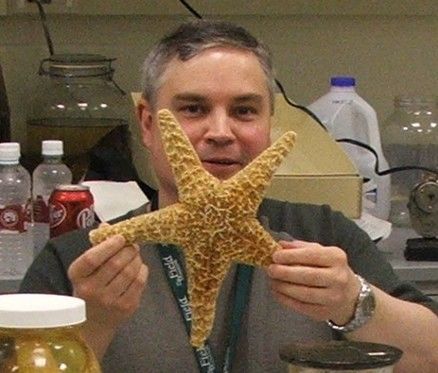
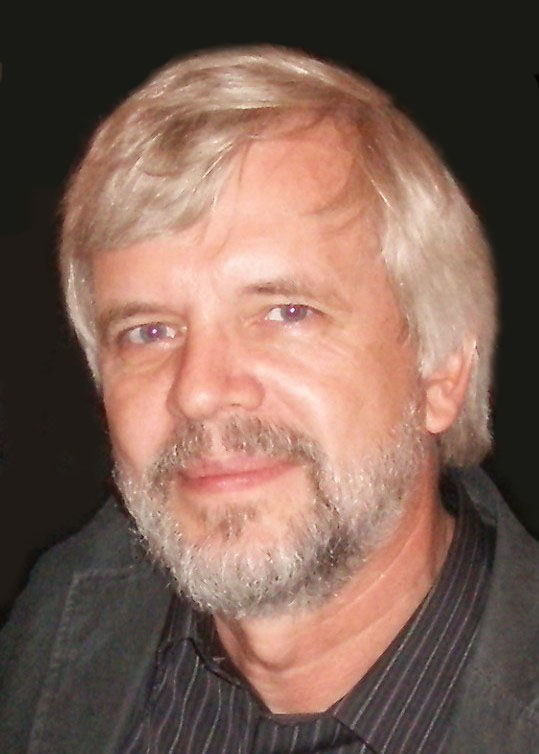
Current curators Rüdiger Bieler (1990 -) and Janet Voight (1990 -) focus their research and collection-building on marine molluscan groups. The varied curatorial research interests, the collecting efforts of past and present collections managers (e.g., John Slapcinsky and Jochen Gerber), and acquisitions of private collections and "orphan collections" from other institutions have built FMNH’s invertebrate collections over the past century.


Policies
Please review the policy page for information about visiting the collections and requesting a loan.
Research
Historically, staff research has emphasized systematic malacology, spanning land, freshwater and marine mollusks. Founding curator Fritz Haas built and used a large collection notably of freshwater and terrestrial taxa. He published 319 titles and described nearly 400 new genera and species during his over sixty-year career at Senckenberg Museum and The Field Museum.
Alan Solem's research focused on the Pacific Basin, Neotropical, and Australian land snail faunas and their relationships to faunas of other areas, the overall phylogeny of land mollusks, shifts in feeding patterns and structure, and overall reproductive strategies of snails living in semi-arid zones. He published 140 scientific papers plus many popular articles while at The Field Museum.
Rüdiger Bieler's research concentrates on gastropod and bivalve phylogeny and systematics, employing a variety of techniques ranging from marine field work to gene sequencing, comparative anatomy, and fine-histological techniques. Special focus groups include venerid clams (the largest family of bivalves and a substantial component of the world’s shellfisheries), as well as sessile marine snails that are capable of reef-building. While these projects focus on "Tree of Life" questions of interrelationships and evolutionary lineages, another part of his research looks at aspects of regional biodiversity, by studying species-level marine molluscan diversity and documenting changes (local extinctions, invasive species) that may result from human activities.
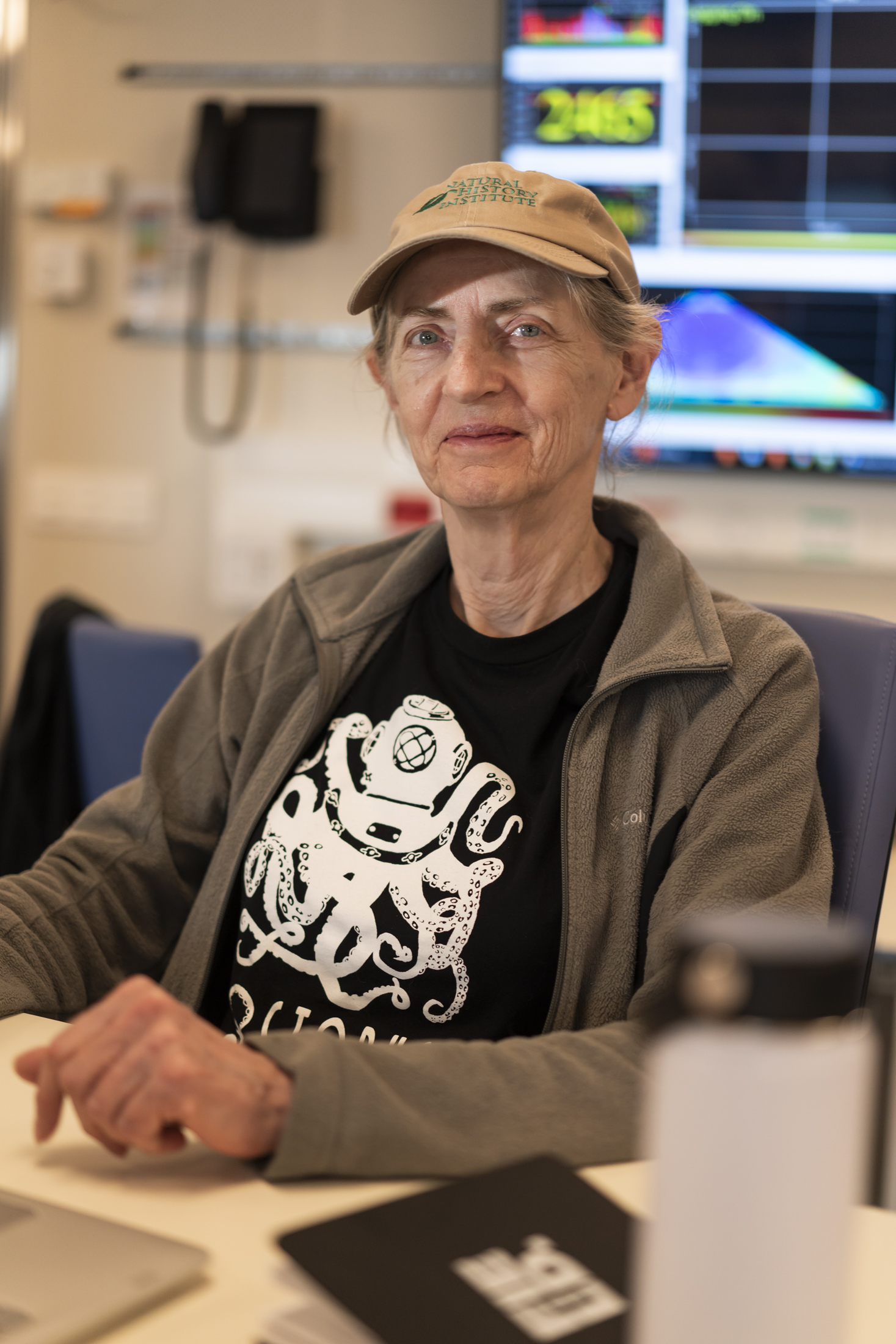
Janet Voight studies the evolution and ecology of cephalopod mollusks, with an emphasis on octopuses. Because so little is known of deep-sea octopus species, she has taken her field work to the bottom of the sea, using Remotely Operated Vehicles and crewed submersibles to see the animals where they live. Voight’s analysis of anatomy and morphology has discovered new characters that reveal the animals' phylogenetic relationships. Using the opportunities provided by at-sea research, Voight studies stochastic habitats in the deep sea, including hydrothermal vents and wood falls, home to extraordinary zoodiversity.
This video illustrates how humans impact ecosystems and the role of Museum collections and research in evaluating that impact.