


IMLS Empowering Museums
Empowering Museums by creating open, collaborative, online training and tools to improve digital experiences
The Field Museum technology team with partners from different departments such as Collections, Repatriation, and the Learning Center have created training materials, including an open-source slide deck template and an icon set, encouraging F.A.I.R (findability, accessibility, interoperability and reusability) and C.A.R.E. (Collective Benefit, Authority to Control, Responsibility, Ethics) principles.
Project Details
- Ms Sharon D. Grant : Field Museum of Natural History - Technology Department
- Ms. Janeen M. Jones : Field Museum of Natural History - Technology Department
- Helen Robbins
- Sara Furr
- Alexis Ramirez : Field Museum of Natural History - Technology Department
- Kate Webbink : Field Museum of Natural History - Technology Department
- Jenny Flowers : Children's Museum of Illinois
- Abigail McArthur-Self : Field Museum of Natural History - Technology Department
Learning Resources
Can Data be Cultured? Cultural Awareness in Museum Data
View moreCan Data be Cultured? Self
View moreCan Data be Cultured? Communication
View moreCan Data be Cultured? Language
View moreCan Data be Cultured? Systems
View moreCan Data be Cultured? Praxis
View moreMedia - Rights and Licenses for Museum Professionals
View moreFundamentals of Museum Data
View moreTerminology and Planning Your Data Cleaning
View more- Fundamentals for Data Cleanup - Terminology (pdf)
- Fundamentals for Data Cleanup - Terminology (pptx)
- Fundamentals for Data Cleanup - Terminology Wrapping Up (pdf)
- Fundamentals for Data Cleanup - Terminology Wrapping Up (pptx)
- Rubric for Fundamentals for Data Cleanup - Terminology (pdf)
- Facilitation guide: Fundamentals for Data Cleanup: Wrapping Up (pdf)
- Facilitation guide: Fundamentals for Data Cleanup: Terminology (pdf)
- Pre-Assessment test for Fundamentals for Data Cleanup - Terminology (pdf)
- Post-Assessment test for Fundamentals for Data Cleanup - Terminology (pdf)
Data Cleaning - Tools you Can Use [2]: Scripting and Databases
View moreUsing OpenRefine for Data Cleaning.
View more- Rubric for How to Use Open Refine for Data Cleaning (pdf)
- Post-Assessment text for How to Use Open Refine for Data Cleaning (pdf)
- How to Use Open Refine for Data Cleaning (pptx)
- Pre-Assessment text for How to Use Open Refine for Data Cleaning (pdf)
- How to Use Open Refine for Data Cleaning (pdf)
- Facilitation Guide for How to Clean Data: Open Refine (pdf)
Data Cleaning using Microsoft Access
View moreUsing R for Data Cleaning
View moreData Cleaning - Tools you Can Use [1]: Spreadsheet Applications
View moreData Cleaning With Open Office Calc
View more- Libre Office Calc for Data Cleaning (pdf)
- Facilitation Guide for How to Clean Data with Spreadsheets: Libre Office Calc (pdf)
- Post - assessment text for the Libre Office Calc for Data Cleaning (pdf)
- Pre-assessment text for the Libre Office Calc for Data Cleaning (pdf)
- Libre Office Calc for Data Cleaning (pptx)
Data Cleaning With Excel
View moreShared data in service of shared goals
In addition to training materials, we are working to build a cohort of Field Museum professionals equipped with new and expanded data management skills — and a mutual understanding of collections data as a shared resource that should be cared for by departments across the Museum.
Leveling up our data standards and practices
These include slide presentations, hands-on data activities, and card games that teach about data accuracy, sharing, and access, so they can be used in online training sessions. A new training section called "Cultural Awareness and Sensitivity in Museum Data." was also developed to help foster a better understanding of F.A.I.R. and C.A.R.E. principles. These training modules have been made publicly available here for download and use by other museums and libraries to encourage findability, accessibility, interoperability and reusability (FAIR) and Collective Benefit, Authority to Control, Responsibility, Ethics (CARE) principles in data.
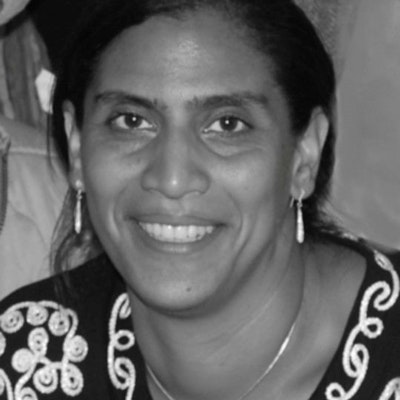
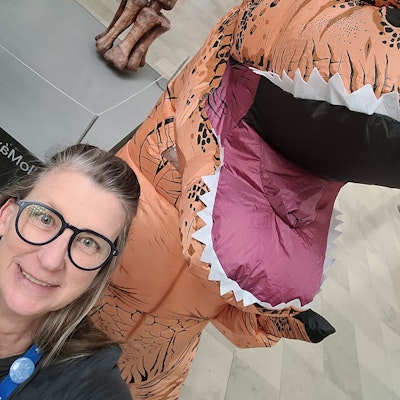
Meet the team
Image slideshow



Screen reader users can skip the following slideshow buttons by using heading navigation. All slides have been displayed above.


Acknowledgments
This project was made possible in part by the Institute of Museum and Library Services Grant ME-249136-OMS-21.

